
Exploring the psychology behind casino games Why do we gamble
The Thrill of Uncertainty
One of the most compelling factors driving people to gamble is the excitement associated with uncertainty. The unpredictable nature of games like slots, poker, and roulette creates a heightened sense of anticipation. This thrill can trigger a rush of adrenaline, activating the brain’s reward system and releasing dopamine, a neurotransmitter linked to pleasure and satisfaction. As they explore various options, many gamblers discover appealing sports betting offers that add to the excitement of the experience.
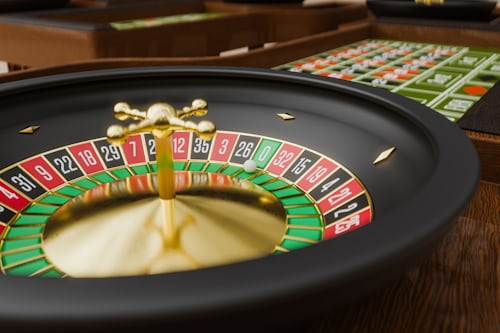
As individuals place their bets, the potential for a win generates a unique blend of hope and fear. This emotional rollercoaster can be addictive, making players seek out the exhilarating experience repeatedly. The uncertainty of outcomes not only fuels gambling behaviors but also forms the foundation of why so many are drawn to casino games in the first place.
The Role of Cognitive Biases
Cognitive biases significantly influence gambling behavior, leading individuals to overestimate their chances of winning. One common bias is the illusion of control, where players believe they can influence the outcome of games that are fundamentally random. For instance, gamblers may feel that previous outcomes can predict future ones, despite the independence of each event.
This tendency can lead to persistence in gambling, as players may continue to wager even after experiencing losses, hoping that they will eventually break even. Such cognitive distortions not only perpetuate the gambling cycle but also highlight the psychological factors that keep players engaged in casino games, despite the odds being generally against them.
The Social Aspect of Gambling
Gambling is not solely an individual pursuit; it often involves social interactions that enhance the experience. Many individuals enjoy the communal atmosphere of casinos, where they can share moments of victory or defeat with friends or strangers alike. These social dynamics contribute significantly to the allure of gambling, as people find enjoyment in the shared experience of risk-taking.
The social reinforcement found in gaming environments can also lead to increased gambling frequency. By participating in games together, players often feel a sense of belonging and camaraderie, making the act of gambling not just about the game itself, but about the bonds formed in the process. This social component plays a crucial role in why individuals return to casinos time and again.
Escapism and Fantasy
For many gamblers, the casino becomes a realm of escapism, providing an opportunity to temporarily disconnect from reality. The vibrant lights, sounds, and atmosphere create an immersive environment where players can indulge in fantasies of wealth and success. This diversion can be particularly appealing during stressful times, offering a brief respite from life’s challenges.
Addiction can develop when individuals rely on gambling as a coping mechanism for their problems. The fantasy of winning big can overshadow the potential risks involved, allowing players to escape their reality, albeit temporarily. This psychological refuge can be a powerful motivator, drawing individuals into a cycle of gambling that often proves difficult to break.

Understanding the Casino Environment
The design and layout of casinos are meticulously crafted to enhance the gambling experience. From the placement of games to the ambient soundscapes, everything is intentional, aimed at keeping players engaged. The absence of clocks and windows serves to disorient and prolong the time individuals spend inside the casino, making it easier for them to lose track of reality.
These strategic design choices are not merely coincidental but are rooted in psychological principles that aim to maximize player engagement. As visitors navigate through a maze of excitement and temptation, their decision-making can be influenced by the environment, further deepening their involvement in the gambling experience. This manipulation of space and design underscores the lengths casinos go to cultivate a culture of gambling.
